In a crowded design landscape where trends come and go, Samiksha Khanna and her co-founders at Unorthodox Designs have carved out a space that’s anything but ordinary. What started in 2016 as a shared dream among three childhood friends has grown into a 30+ person design powerhouse that’s transforming how people experience space.
Unorthodox Designs, based in Gurugram, isn’t your typical architecture and interior design studio. With a portfolio that spans homes, restaurants, retail spaces, and commercial hubs, their work defies cookie-cutter templates. Each project is a bold statement, grounded in functionality but elevated by artistic risk-taking and intuitive design choices.
For this women-led business, their tagline – “Translating Happiness into Spaces” – is the foundation of everything they create.
From Friends to Founders
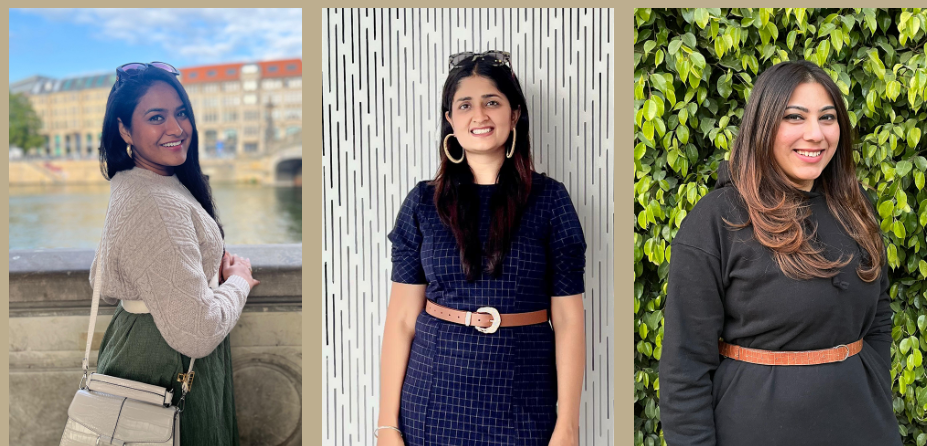
The story of Unorthodox Designs began long before it was a business. Samiksha and her co-founders, Upneet Kaur and Saalanki Saraf, were classmates in architecture school, where a shared passion for design quickly turned into an unspoken synergy. Years later, while working on separate projects in the professional world, they noticed how well their strengths complemented one another and how naturally they collaborated.
With this idea, starting their own firm began to feel less like a risk and more like the next step. Their combined ability to think beyond the conventional, take on multiple roles, and approach challenges from different angles made the idea feel inevitable.
In 2016, the trio launched Unorthodox Designs with a simple goal: to create spaces that felt as unique as the people living or working in them. “We didn’t want to play it safe,” Samiksha explains. “We wanted to challenge what people expect from design, and show that creativity and functionality don’t have to be mutually exclusive.”
Bold, Purposeful, Personal
Unorthodox Designs lives up to its name. This women-led business embraces unexpected design elements, dramatic color palettes, and unique spatial planning that captures the client’s personality. No two spaces look the same, because no two clients are.
Their design process is deeply collaborative, built on real relationships and open dialogue with the clients. Clients are invited into every stage, from concept to execution, so the final space not only reflects their lifestyle but also carries their spirit.
This approach has paid off. With over 100 projects completed and a client retention rate that would make any firm envious, the studio has built its business almost entirely on referrals. “We’re still working with the first client we ever had,” Samiksha shares. “That trust, that relationship—it’s what we value most.”
Learning the Business, the Hard Way
While creativity came naturally, building the business side of the studio was a whole different challenge. Like many designers, the founders stepped out of architecture school full of vision, but with little preparation for the realities of running a firm.
“Nothing in architecture school prepares you for HR, PR, finances, or even basic operations,” says Samiksha. “We learned a lot of those lessons the hard way.”
The early years, the founders tried to do everything themselves, juggling creative work with the nuts and bolts of running a business. Eventually, they realized the solution wasn’t to work harder, it was to build a smarter team.
Hiring people who were more experienced in different areas and trusting their expertise helped them solve many back-end issues and made the business stronger and more sustainable. Since then, Unorthodox Designs has grown its revenue by 30% and created 10 new jobs in the past year alone.
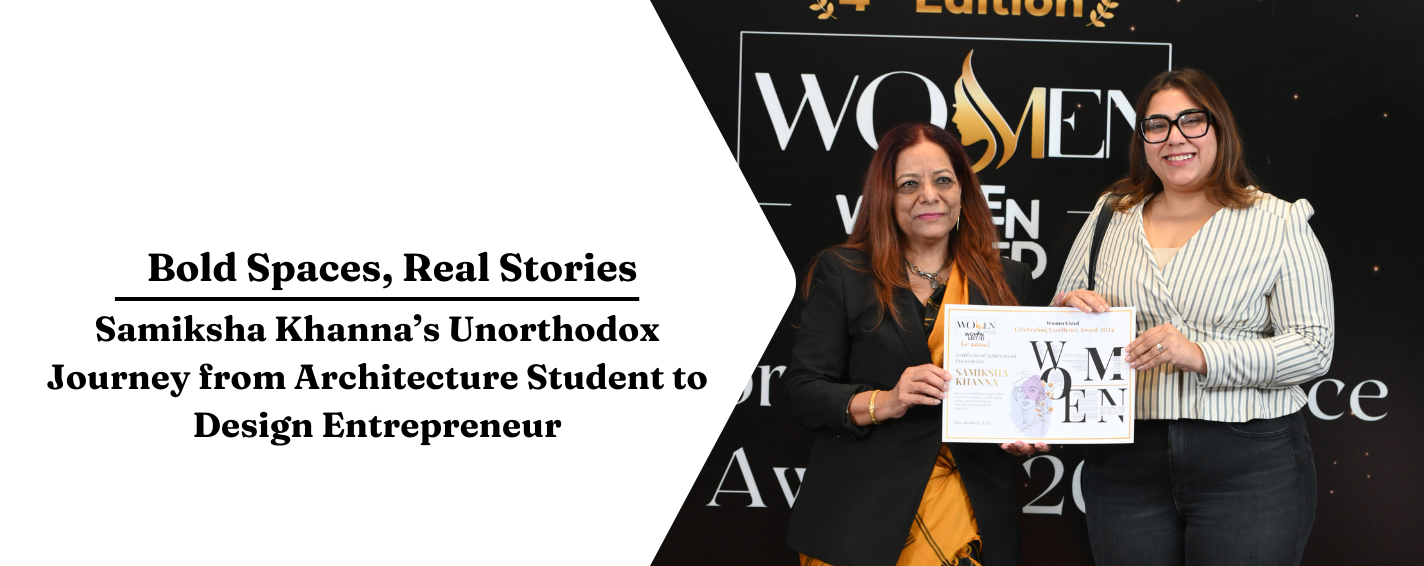
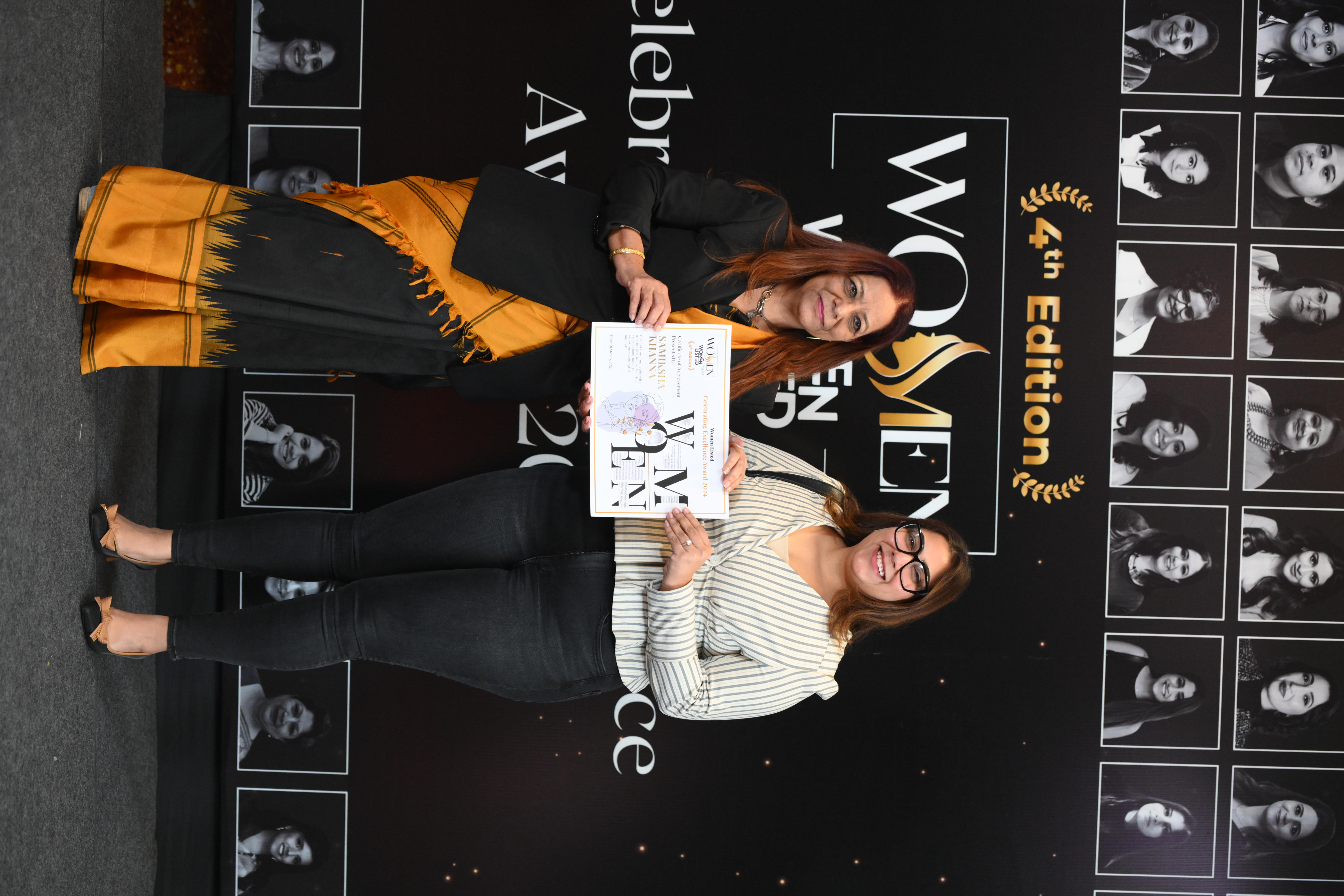
The firm crossed a major milestone with its first international project – designing a restaurant in Dubai, thanks to a client referral. They've also been recognized multiple times at FOAID (Festival of Architecture and Interior Design) and awarded titles like “Futuristic & Innovative Interior Design Firm of the Year” in 2023. Samiksha also won Women Listed’s “Celebrating Excellence Award” in 2025 for her entrepreneurial journey and business growth.
What Lies Ahead for this Women-Led Business
As they look to the future, the focus is on two things: quality and connection. Their main goal is to deliver current projects with excellence while increasing client retention and repeat collaborations. “We want to be more than just a design firm,” Samiksha adds. “We want to be a space where ideas are shared, people grow, and creativity thrives.”
This women-led business plans to amplify their digital presence, build a platform to mentor young designers, and foster a more open dialogue among peers in the design industry, especially around the business challenges that often go unspoken. And just as importantly, they aim to keep nurturing the creative, healthy work environment they’ve built for their growing team. Samiksha sums it up best: they’re not just creating spaces – they’re creating a movement where good design is bold, personal, and unafraid to be unorthodox.
Also Read, Meet Shikha Agnihotri, an Educator Turned Entrepreneur Is Transforming School Safety