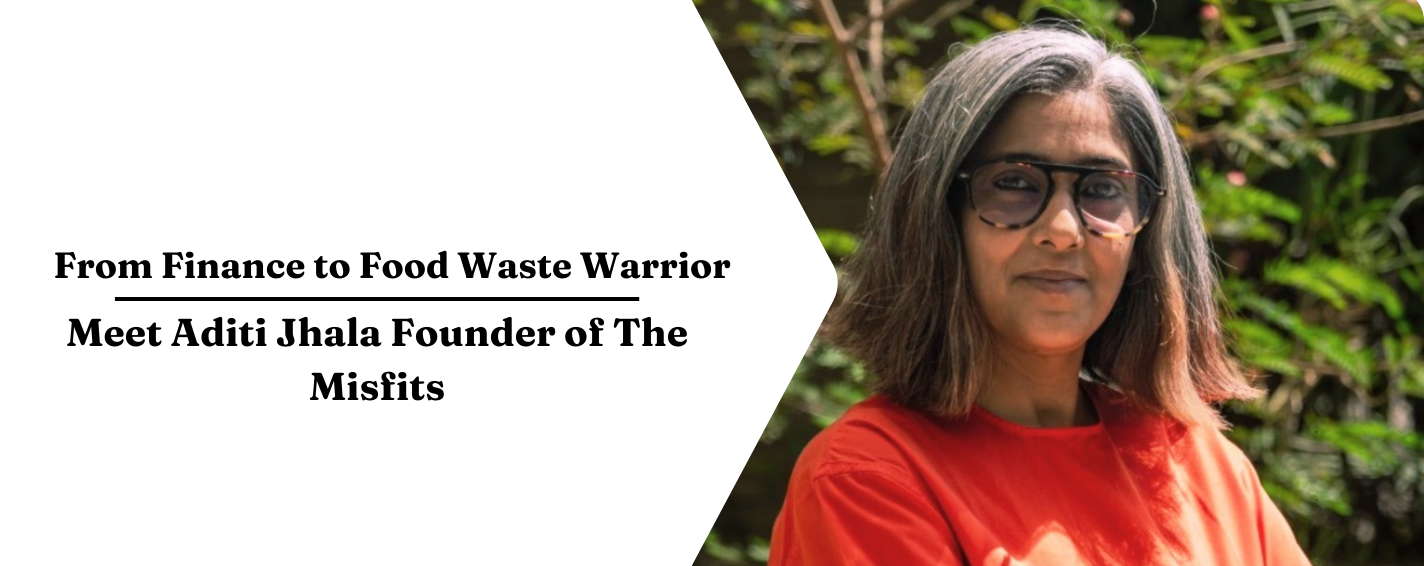
When Aditi Jhala looked at a pile of discarded vegetables on her travels, she didn’t see waste. She saw potential. Today, as the co-founder of The Misfits, she’s building one of India’s most exciting food startups that transforms "imperfect" produce into guilt-free, eco-friendly snacks.
Launched in 2024, The Misfits is flipping the script on food waste, nutrition, and sustainability. In a world obsessed with how things look, Aditi teaches us that real beauty and value go much deeper.
From Finance to Fighting Food Waste
Aditi Jhala's path to entrepreneurship wasn't conventional. After years in finance and extensive global travel, something profound caught her attention across continents – the staggering amounts of perfectly edible fruits and vegetables being thrown out simply for not meeting cosmetic standards. What many considered waste, Aditi recognized as an opportunity for innovation.
In 2024, Aditi returned to her hometown of Jaipur with a mission. Alongside her mother Vinita, she launched The Misfits, right from her home kitchen, creating snacks and spreads that are high-protein, fiber-rich, gluten-free, and totally clean.
What Makes The Misfits Different?
Most brands talk about sustainability. The Misfits live it! Their products are crafted using blemished, misshapen, or otherwise "imperfect" produce ingredients that most companies would dump. Aditi is completely committed towards building her brand with transparency and quality. Their products feature:
· Nutrient-rich real vegetables that would otherwise go to waste
· Adaptogenic herbs like Ashwagandha for additional health benefits
· No additives, preservatives, or artificial ingredients
· Gluten-free, high-protein, fiber-rich formulations
· Absence of refined flour, sugar, and trans fats
By rescuing fruits and vegetables that would otherwise end up as waste, The Misfits are not just making healthy snacks — they’re giving consumers a chance to vote for a better food system.
Changing Perceptions: The Challenge of Upcycling
Despite the growing popularity of sustainable practices, Aditi and her team face an ongoing challenge: educating consumers about upcycled food.
One of The Misfits’ biggest challenges has been busting myths: many customers worried that using "imperfect" produce might mean lower quality. Aditi tackled this head-on with transparency. “We're constantly working to educate consumers that cosmetically imperfect produce contains the same nutrients – sometimes even more – than their 'perfect' counterparts,” says Aditi.
This educational journey is central to The Misfits' mission. Through transparent packaging, informative content, and community engagement, they're gradually changing perceptions about food aesthetics and value.
Big Impact, Bigger Dreams
Since launching, The Misfits have already:
- Rescued over 200 kilograms of fruits and vegetables
- Saved 12,000 liters of water
- Prevented 50 kilograms of greenhouse gas emissions
These numbers are just the beginning. Looking ahead, Aditi has set an ambitious goal of saving 2,000 kilograms of fruits and vegetables daily within the next five years.
Recognition and Future Vision
The Misfits' innovative approach hasn't gone unnoticed. Last year, they won the "Most Innovative Product" award at the Anuga Select Exhibition. In March 2025, Aditi also won recognition at Women Listed’s Celebrating Excellence Awards, held in March 2025, for her innovative business idea and growth.
But for Aditi, the real success lies in the movement The Misfits is creating. "We're not just selling products; we're asking consumers to reimagine waste and sustainability in their everyday choices," she says.
As The Misfits gains momentum, it's becoming part of a larger global trend toward more sustainable living. The brand not only supports local farmers by offering them an outlet for cosmetically "imperfect" produce but also encourages consumers to reconsider their relationship with food.
Why You Should Pay Attention
The Misfits aren’t just selling healthy snacks. They’re selling a better future: one where we value food for its real worth, not just its photo appeal.
With every spread and snack they produce, Aditi and her team are challenging us to rethink waste, health, and the meaning of sustainability — and proving that change often starts with the smallest details.